
Industrial tanks & basins
For settled process sludge in treatment basins, oil-industry facilities and other confined areas.
- Check chemical exposure
- Review access opening
- Confirm hazardous-area requirements
Application engineering
A model number alone cannot determine the right solution. Start with the material, water depth, access and discharge route.
View field recordsWhere the system can work
Each environment creates different risks: restricted access, corrosive water, fibrous material, hard deposits or long pumping distance.
For settled process sludge in treatment basins, oil-industry facilities and other confined areas.
For silt and sludge removal where operating conventional equipment at the waterline is difficult.
For narrow structures where compact crawler dimensions and cable management matter.
For dense, abrasive or consolidated sediment requiring careful pump and working-head selection.
Real field-condition records
These photographs come from the supplied project folders. They document working conditions and are not presented as guaranteed performance results.
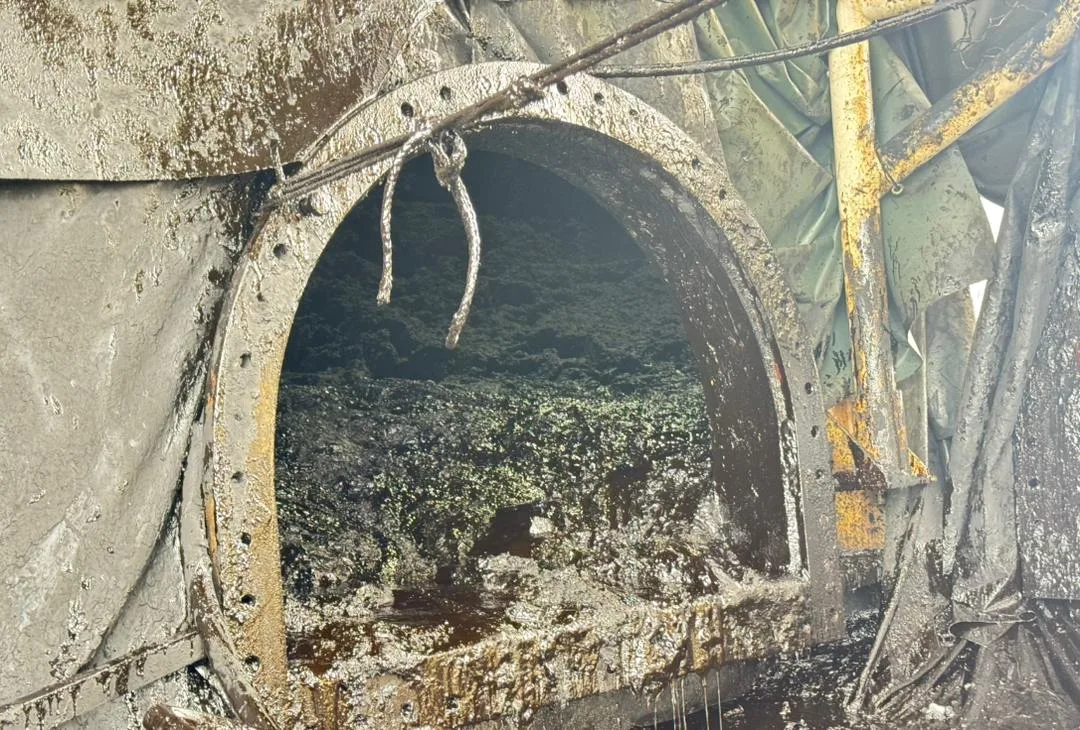
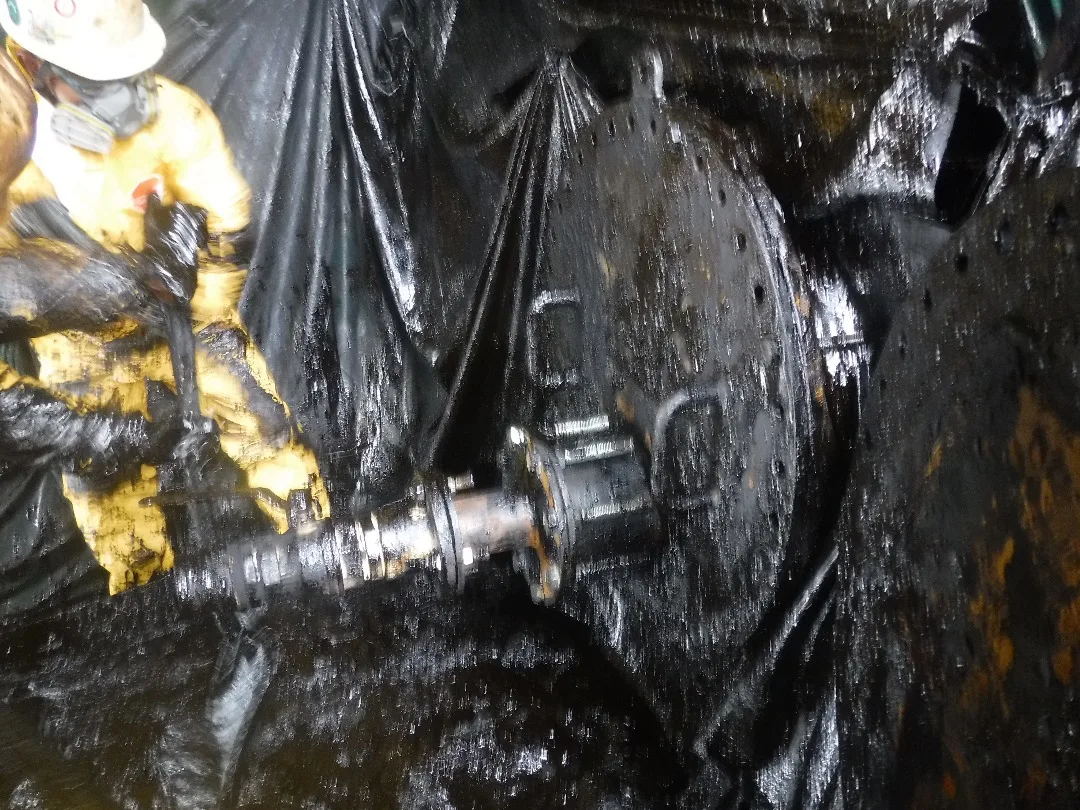
The supplied photographs show thick, adhesive deposits. Before recommending equipment, we need viscosity, oil content, chemical exposure, access and safety requirements.
Questions to confirm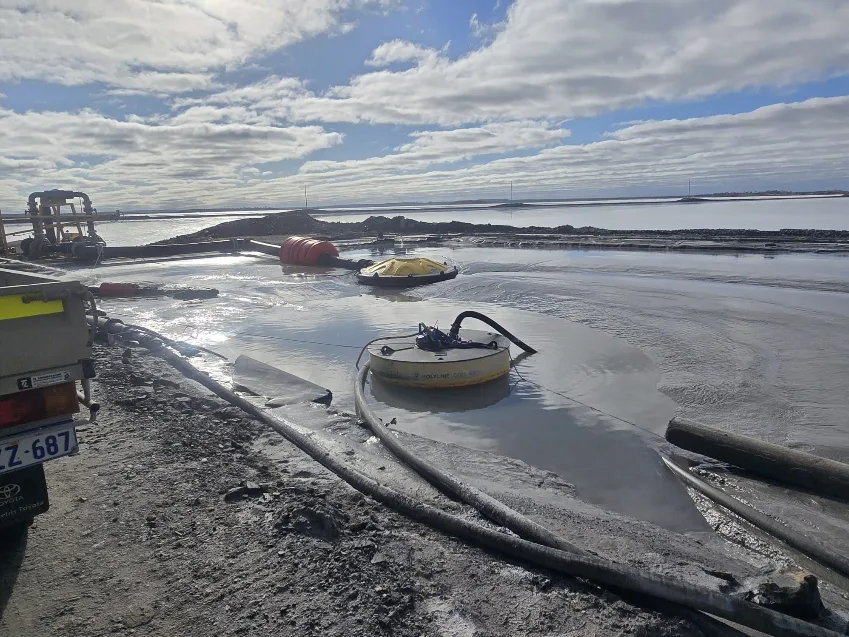
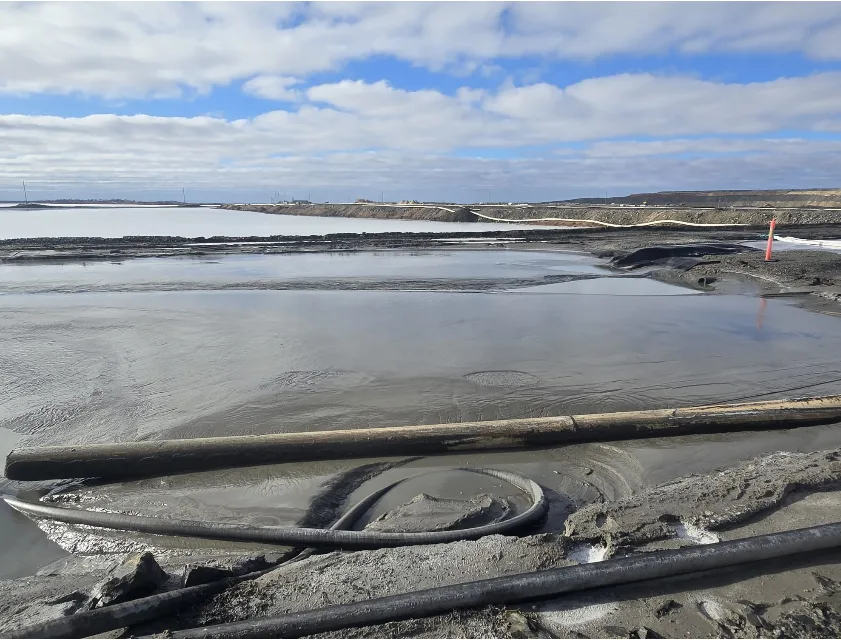
The images show broad deposits and active hose routing. Material hardness, abrasiveness and discharge distance are key inputs.
Questions to confirmQuick fit check
Photos, video and a sediment description are more useful than selecting a model from capacity alone.
Project review